A Guide to Reiki for Stress and Anxiety in Scottsdale, AZ
A clear look at what happens during a Reiki session, how it targets physical tension and anxious thoughts, and why this quiet practice offers a direct path to a calmer nervous system.
Chronic stress changes how your body functions. Your muscles stay tight, your breathing becomes shallow, and your mind races through endless loops of planning and worrying. When you search for Reiki for Stress and Anxiety Scottsdale AZ, you are likely looking for a way to break that cycle.
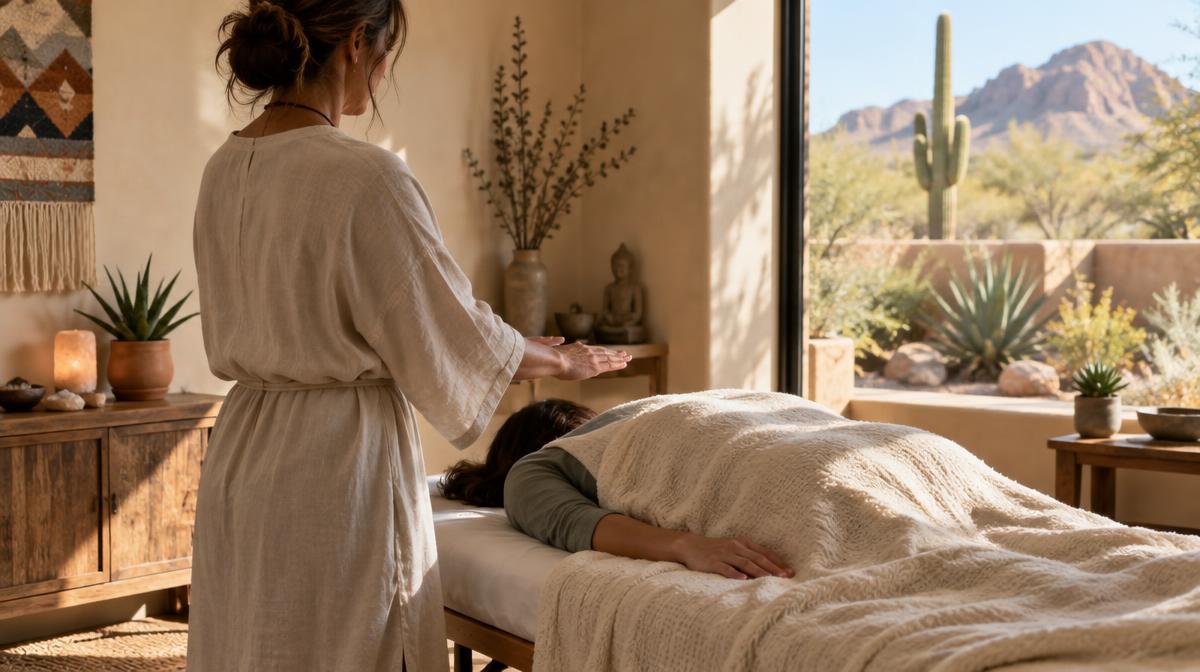
Reiki offers a structured physical pause. It requires zero effort from you. You do not have to quiet your mind. You do not have to stretch, speak, or perform. You simply lie fully clothed on a table while a practitioner works with your body's energy fields.
This low-demand environment allows your nervous system to shift out of a fight or flight state and into a deep resting state.
What Is Reiki Healing?
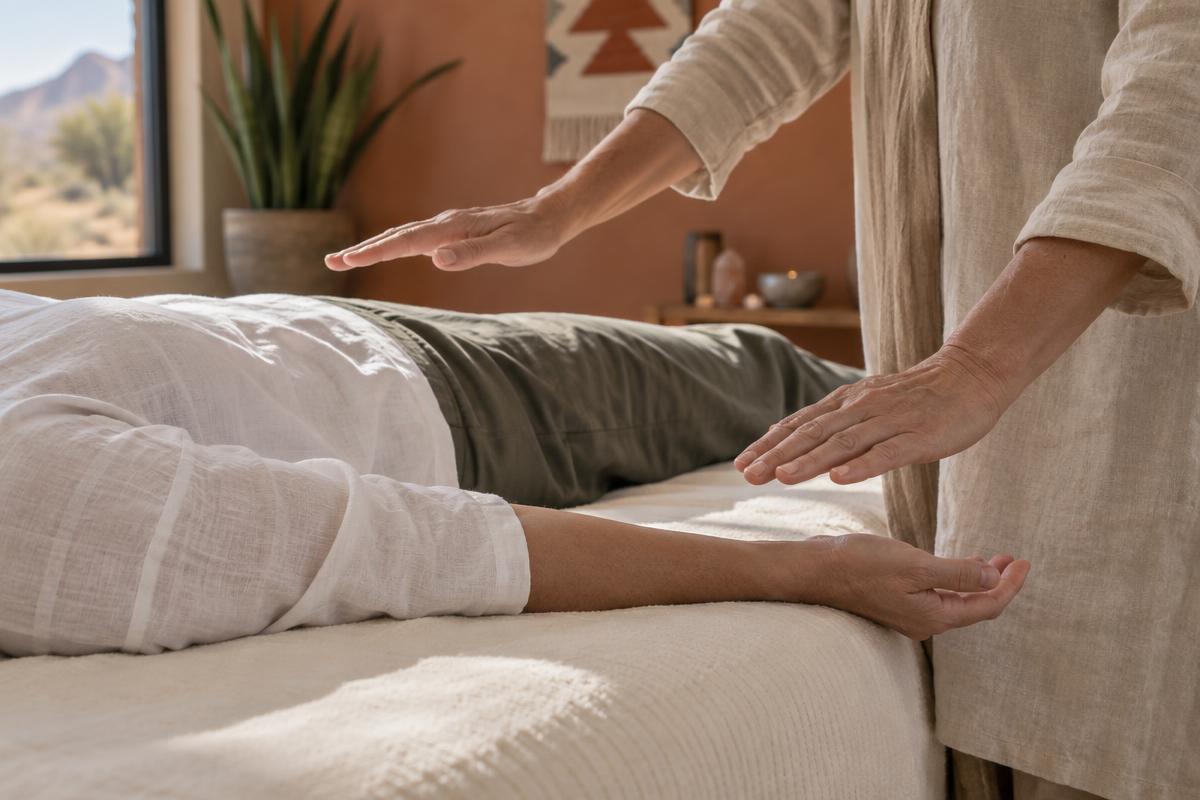
Reiki is a Japanese energy healing technique. Practitioners use gentle touch, or hover their hands just above your body, to guide energy and promote relaxation. The practice operates on the principle that physical and emotional stress block the natural flow of energy.
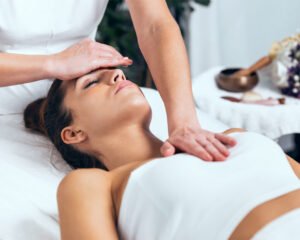
During a session of Reiki healing Scottsdale AZ, the practitioner moves through a sequence of specific hand placements. They focus on areas where tension tends to accumulate, like the head, shoulders, chest, and stomach.
The goal is not to diagnose or cure medical conditions. Instead, Reiki provides deep rest. It signals your body that it is safe to relax, which naturally reduces the physical symptoms of anxiety.
Explore Lotus Livin’s Reiki healing in Scottsdale to learn more about our specific approach.
How Your Body Responds to a Session
Everyone processes stress differently. Your experience on the table will depend on how your nervous system reacts to deep relaxation. You do not need to force any particular response.
Temperature Shifts
You might feel a distinct warmth or a cool breeze coming from the practitioner’s hands as they work through different energy centers.
Heavy Relaxation
Your arms and legs may feel heavy, similar to the sensation you get right before you fall asleep at night.
Involuntary Twitches
As your nervous system downregulates, your muscles might twitch or jump lightly as they release trapped physical tension.
Emotional Release
You might feel a sudden urge to cry or sigh deeply. This is a normal, healthy discharge of suppressed stress.
Visual Sensations
With your eyes closed, some people report seeing washes of color or light behind their eyelids as their brain waves slow down.
Mental Drifting
Your thoughts will likely slow down. You may drift into a light sleep or a state of quiet, detached awareness.
What Happens During a Reiki Appointment?
A professional Reiki session follows a predictable structure. Knowing what comes next removes the guesswork so you can settle in faster and get the most out of your time.
The Check-In
You discuss your current stress levels, any physical pain, and your specific goals for the session with the practitioner.
Getting Settled
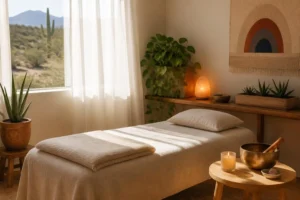
You lie down on a padded massage table fully clothed. The practitioner may offer a blanket or an eye covering for comfort.
The Assessment
The practitioner performs a quick scan of your energy field to identify areas holding dense or blocked energy.
The Treatment
Using a series of hand positions, the practitioner spends several minutes on different areas of the body to clear tension.
The Integration
The session ends with a grounding exercise. You are given time to sit up slowly and drink water before leaving.
Finding Quiet in a High-Performance City
Scottsdale attracts driven professionals, active retirees, and busy families. That fast-paced lifestyle often results in hidden burnout. While the city offers plenty of intense fitness and outdoor activities, locals increasingly seek balance through practices that restore energy rather than burn it.
Reiki for stress relief provides a counterweight to constant activity. It fits easily into a busy week because it requires no physical recovery time. You can schedule a session, reset your nervous system, and return to your day feeling centered and focused.
Reiki vs. Massage vs. Talk Therapy
Reiki
Focuses on the nervous system and subtle energy. Uses light or no touch. Best for deep, effortless relaxation and clearing emotional weight without needing to talk through it.
Massage Therapy
Focuses strictly on muscles, fascia, and soft tissue. Involves physical pressure and manipulation to work out knots and structural stiffness caused by stress.
Talk Therapy
Focuses on cognitive processing. You actively discuss problems and build coping strategies. Reiki can be a great companion to therapy by calming the body first.
What Does Science Say About Reiki and Stress?
Clinical research into Reiki shows positive trends for stress management. Several studies published in peer-reviewed journals suggest that Reiki can activate the parasympathetic nervous system. This activation lowers resting heart rate, reduces blood pressure, and decreases cortisol levels in the body.
While energy healing is a complementary practice, the physical benefits of scheduled, deep relaxation are well-documented. Reducing chronic stress helps improve sleep quality and immune function over time.
How to Prepare for Stress Relief
A few simple steps before you arrive can help you transition from a busy day into a receptive, relaxed state on the table.
Wear Loose Clothes
Tight waistbands or stiff fabrics can become distracting while you lie still for an hour.
Eat Lightly
Avoid heavy meals or excessive caffeine right before your appointment to keep your body comfortable.
Clear Your Schedule
Try to leave a 30-minute buffer after your session so you do not have to rush straight into traffic.
Notice Your Body
Pay attention to where you are holding tension, like your jaw or shoulders, so you can tell your practitioner.
What to Look for in a Scottsdale Reiki Practitioner
Not all energy work is exactly the same. Finding a practitioner who makes you feel safe and comfortable is the most critical factor for stress relief.
- Are they a certified Reiki Master with clear training credentials?
- Do they offer a dedicated, quiet space free from outside interruptions?
- Will they accommodate your preference for hands-on or hands-off treatment?
- Do they take time to explain the process before you begin?
- Are their rates and cancellation policies transparent?
- Do they incorporate other tools, like sound or crystals, and are you comfortable with that?
- Do you feel heard and respected during the initial consultation?

Is Reiki Right for Your Anxiety?
Energy healing supports a wide range of people, particularly those who feel overwhelmed by traditional stress management techniques.
If You Have Burnout
When you are exhausted from overworking, you need a recovery method that requires absolutely zero output from you.
If Meditation Is Frustrating
Trying to force a quiet mind can cause more anxiety. Reiki induces a meditative state without the mental struggle.
If You Hold Stress Physically
People who clench their jaws, grind their teeth, or carry tension in their neck often find rapid relief on the table.
If You Feel Emotionally Stuck
Unprocessed stress can feel like a heavy weight on your chest. Energy work helps release those blockages gently.
Reiki During the Hot Scottsdale Months
When temperatures rise in Arizona, the body works harder to regulate itself. This constant environmental demand can leave you feeling drained, sluggish, and irritable.
Booking a quiet, climate-controlled Reiki session offers a refuge. It allows your nervous system to cool down and recover away from the harsh desert sun and the busy summer pace.
Which Service Supports Your Goals?
Stress relief is not a one-size-fits-all process. Reviewing your options helps you choose the most effective starting point.
If you are deeply fatigued, need to process emotional weight, and want a quiet, individualized experience.
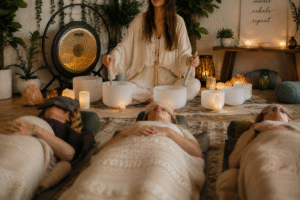
If you want an auditory anchor to help quiet your mind and enjoy a passive, vibrational group or private session.
If you want an active practice to physically move stagnant energy and build ongoing resilience against stress.
Frequently Asked Questions
For additional details about booking, policies, and preparation, visit the Lotus Livin FAQ page.
How many Reiki sessions do I need for anxiety?
Many clients feel immediate relief after a single session. For chronic stress, a series of three to four sessions spaced a week apart can help reset your baseline tension levels.
Will I fall asleep during the session?
Yes, it is very common to fall asleep. This is often called a Reiki nap. Your body is simply taking the rest it needs, and the energy work remains just as effective.
Is there a religious component to Reiki?
No. Reiki is a spiritual healing art, but it is not tied to any specific religion or belief system. It is open and welcoming to people of all backgrounds.
What should I do after my appointment?
Drink plenty of water to help your body flush out toxins released during the session. Keep your schedule light for the rest of the day and go to bed early if you feel tired.
Can Reiki help with physical pain caused by stress?
Yes. By guiding the nervous system into a relaxed state, Reiki helps muscles release their grip. This often reduces tension headaches, neck stiffness, and tight shoulders.
Relieve Stress and Anxiety in Scottsdale
You do not have to carry chronic tension indefinitely. Taking an hour to reset your nervous system can change how you feel, think, and react to the demands of your week.
Lotus Livin provides professional Reiki sessions in Scottsdale to help you clear energetic blocks and return to a state of calm.